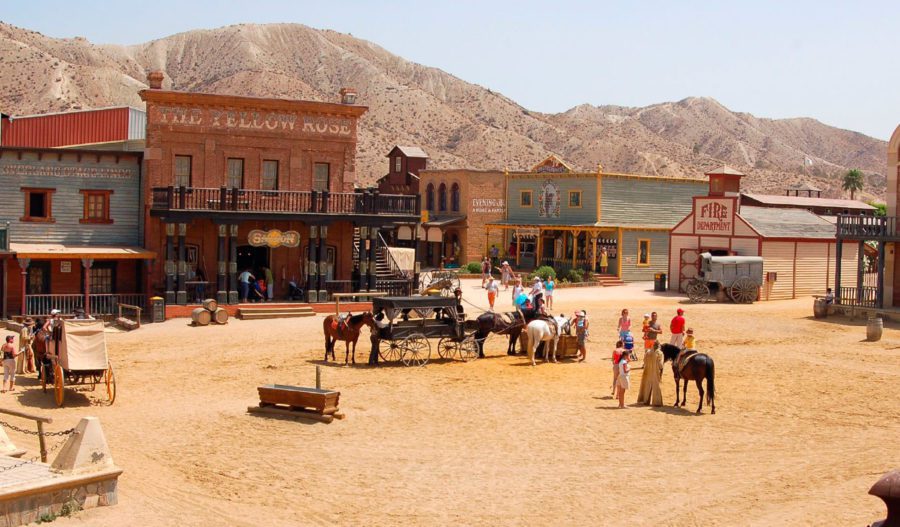
Western Town
A collection of authentic wooden buildings, saloons, and jailhouses that served as backdrops for classic Spaghetti Westerns.
Visit mid-morning to capture photos when the sun provides directional shadows.

The Tabernas Desert film set—known officially as Oasys Mini Hollywood—stands as the last working Western studio in Europe. Built in the 1960s for Sergio Leone's spaghetti westerns, the complex remains open year-round for visitors who want to walk the same dusty streets where Clint Eastwood once filmed. This guide covers everything you need to know before you arrive.
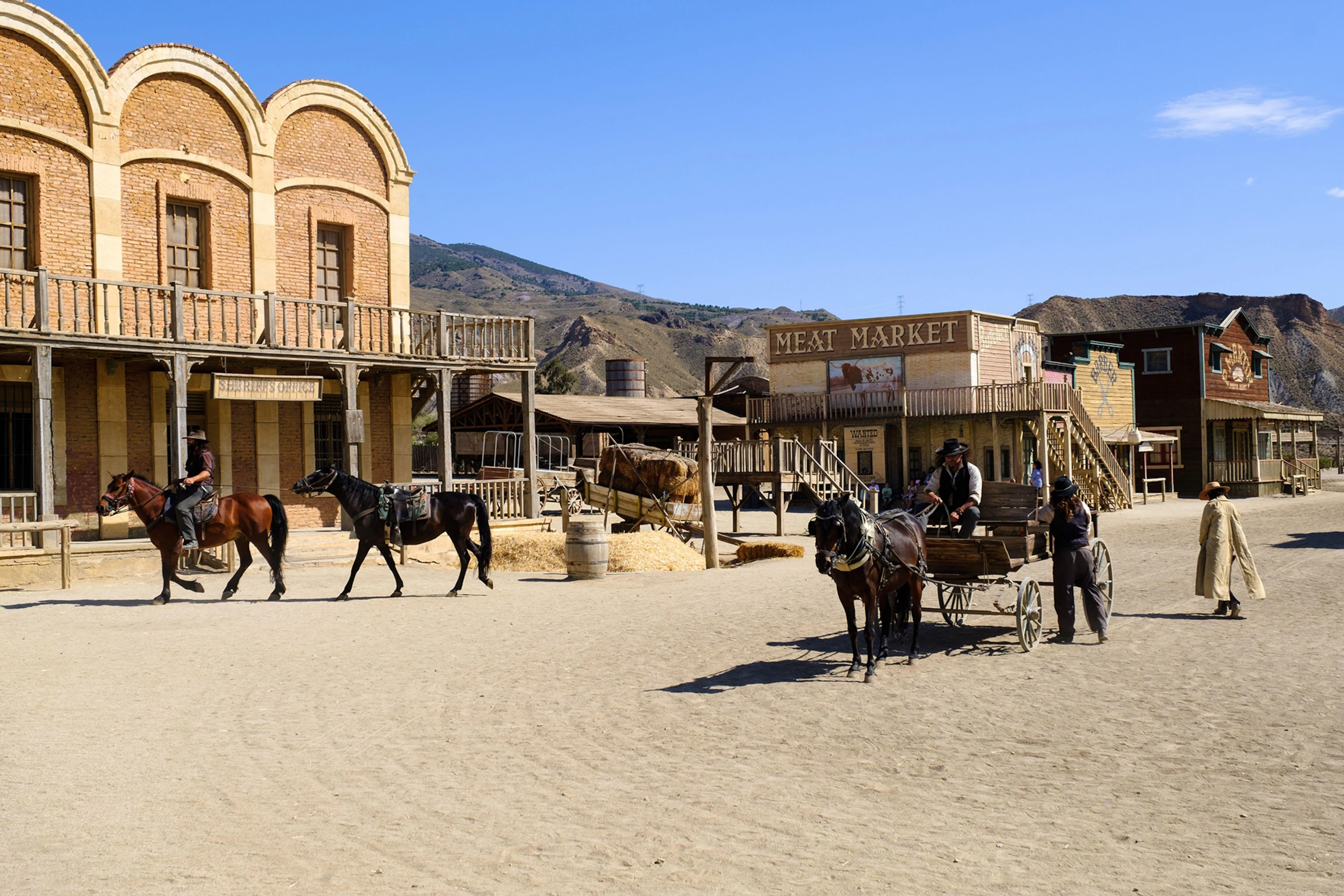
Quick answer
The tabernas desert film set is open daily from 10:00 to 18:00, and standard admission costs €36 per adult at the box office. The site operates every day of the week with no seasonal closures, though the best arrival window is 10:00–12:00 to avoid peak desert heat and secure better seating for the live Western shows staged throughout the day.
More than 300 films were shot in the Tabernas Desert between 1950 and 1990, making it the most photographed arid landscape in cinema history. The tabernas desert film set preserves that legacy in physical form: timber saloons, a whitewashed mission church, a working gallows, and a main street wide enough for stunt riders to charge through at full speed. Sergio Leone filmed parts of The Good, the Bad and the Ugly here in 1966, and the same wooden facades still frame the horizon. The complex occupies a natural basin surrounded by ochre badlands and eroded gullies that double convincingly for the American Southwest. Oasys Mini Hollywood, the site's commercial name, anchors the visitor experience with live stunt shows, a small zoo featuring desert species, and a swimming pool added in the 1970s when the property transitioned from active film production to public attraction. The Western town set remains the centerpiece: visitors walk freely through saloons, a bank, a sheriff's office, and a general store stocked with period props. Arrive during the morning window to experience the site before midday temperatures climb above 35°C in summer months. The live shows—bank robberies, gunfights, and barroom brawls performed by stunt actors—run on a published schedule that repeats several times daily, with the first performance typically starting around 11:30. Seating in the outdoor arena is first-come, first-served, and shade is limited. The site's layout is compact enough to cover on foot in two to three hours, though photography enthusiasts often spend longer framing shots against the desert backdrop. No advance reservation is required for general admission, and the box office accepts both cash and card payments.
“More than 300 films were shot in the Tabernas Desert between 1950 and 1990, making it the most photographed arid landscape in cinema history.”
The best arrival window for the Tabernas Desert film set is 10:00–12:00. Arriving during this period helps visitors avoid peak desert heat and secures optimal seating for daily live Western shows.
Mild, 18°C–25°C
This season offers comfortable temperatures for exploring outdoor sets and walking between film locations.
Intense heat, 30°C–40°C
Expect high temperatures; morning arrival is essential to minimize midday sun exposure.
Pleasant, 20°C–28°C
Mild weather conditions make this an ideal time for extended outdoor tours and photography.
—
Midweek visits generally experience fewer crowds than weekends, allowing for a more relaxed pace.
Verdict: The concrete best slot is arriving between 10:00–12:00 on a weekday during April or October.
The Tabernas Desert film set maintains consistent operating hours throughout the week to accommodate visitors. The facility is open daily from morning until late afternoon.
The Tabernas Desert film set is located at Carretera Nacional 340A, km 464, 04200 Tabernas, Almería, Spain. The most direct approach is by car via the A-92 motorway or the N-340A.
A-92 motorway to the Tabernas exit, then N-340A
ALSA bus service from Almería Bus Station to Tabernas
Direct transfer from Almería city or airport
Arrive between 10:00–12:00 to avoid peak desert heat and secure better seating for live Western shows.
The Tabernas Desert film set features several distinct zones designed to replicate the American Old West for cinematic productions. Visitors can explore these immersive environments and observe the performance venues that bring the desert to life.
A collection of authentic wooden buildings, saloons, and jailhouses that served as backdrops for classic Spaghetti Westerns.
Visit mid-morning to capture photos when the sun provides directional shadows.
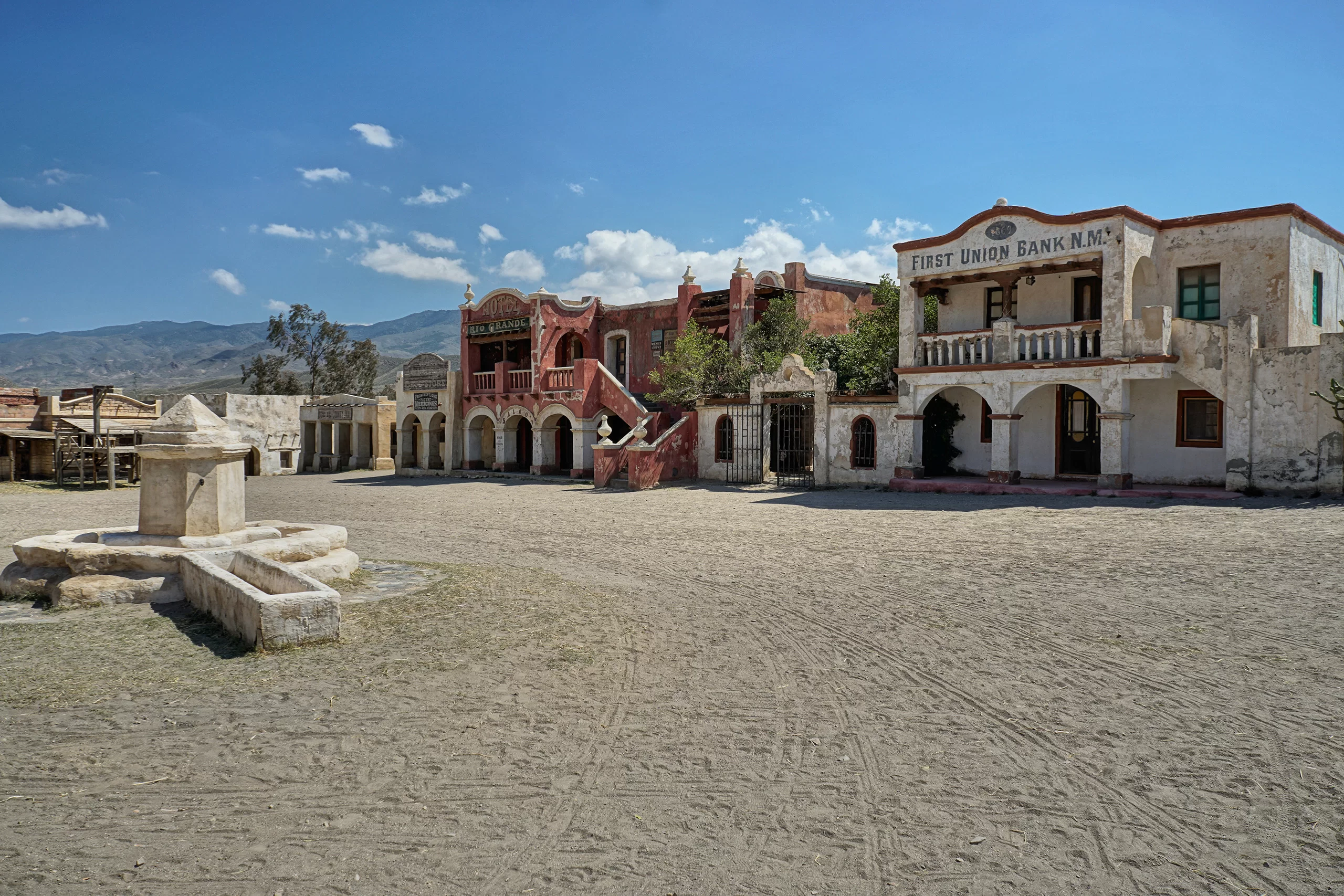
This area replicates the adobe architecture and dusty plazas typical of rural Mexican settings in film.
Walk through the shaded archways to stay cool during midday heat.
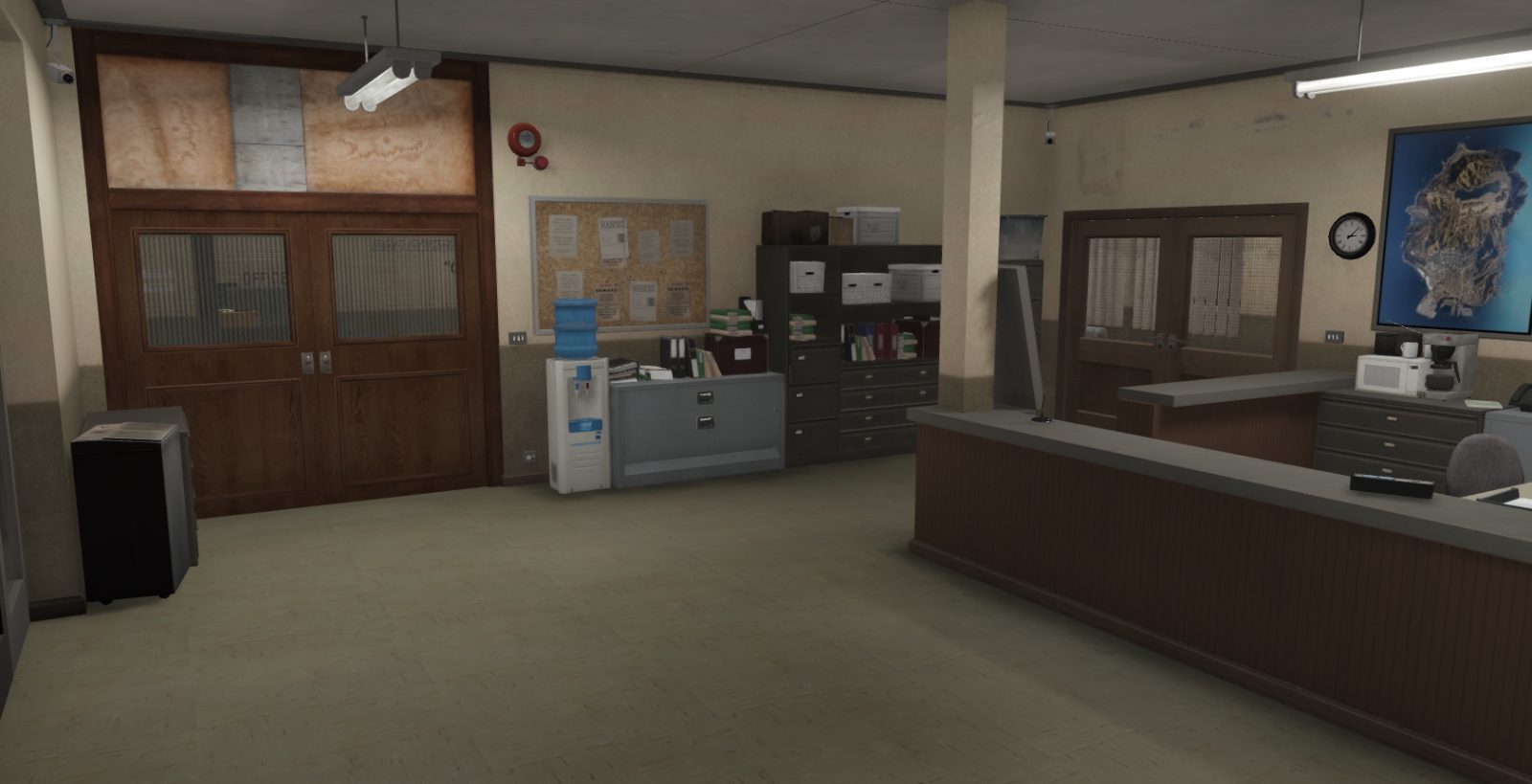
A detailed interior space showcasing period-accurate props and furniture used in movie scenes.
Peer through the windows to inspect the desk and vintage equipment.
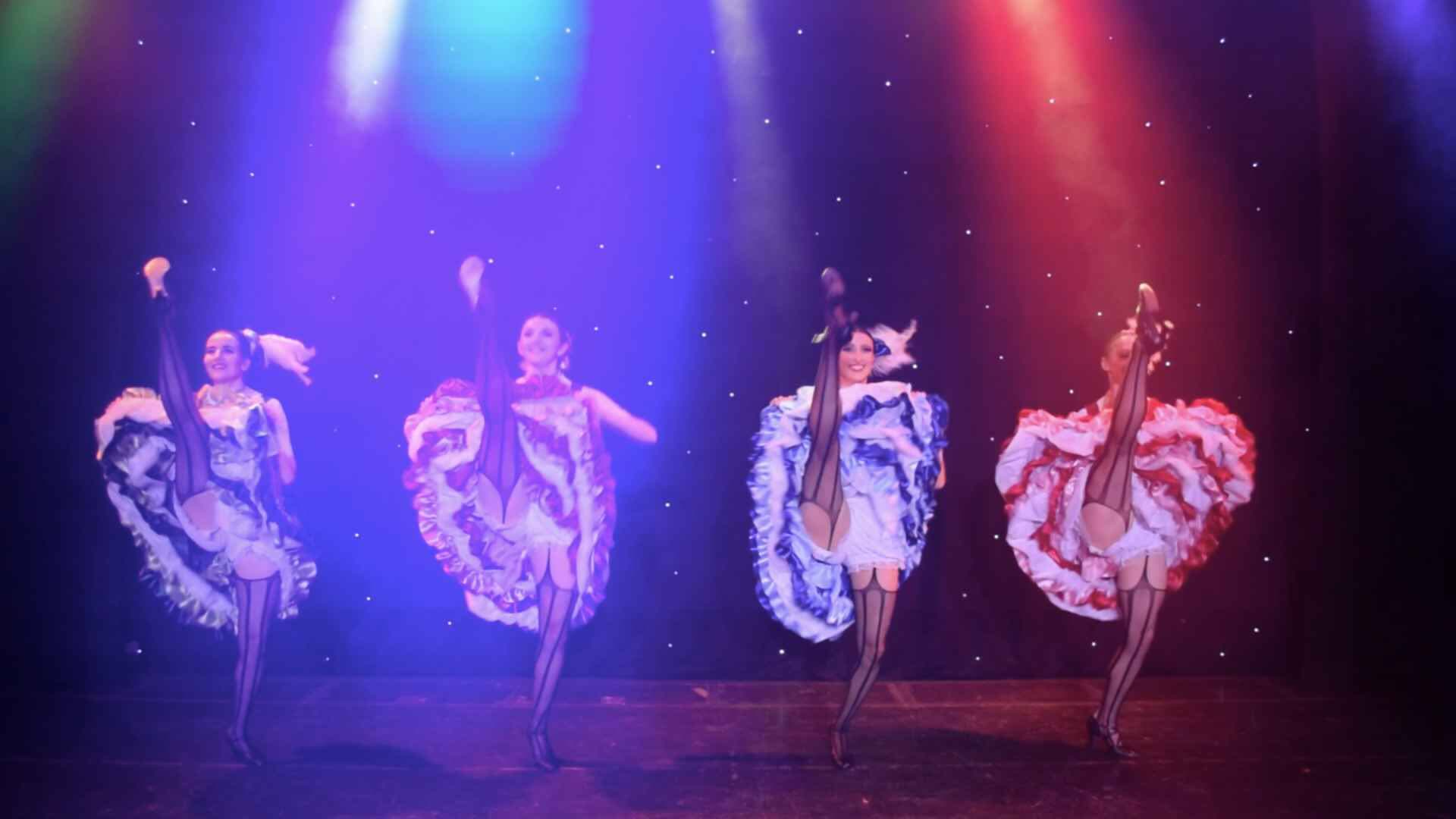
The primary outdoor performance area where daily reenactments and stunt shows take place.
Secure a spot on the benches early to get an unobstructed view.
The tabernas desert film set emerged in the early 1960s when Italian director Sergio Leone scouted Europe for landscapes that could double as the American Southwest. The arid Tabernas basin, with its eroded ravines and cloudless skies, proved ideal. Leone shot *A Fistful of Dollars* here in 1964, followed by *For a Few Dollars More* and *The Good, the Bad and the Ugly*. These Spaghetti Westerns established Tabernas as a viable alternative to Hollywood backlots, and within five years three permanent studio complexes rose from the desert floor. Fort Bravo—later rebranded Oasys MiniHollywood—opened in 1965 as a working set for *The Good, the Bad and the Ugly*. Its clapboard saloons, false-front banks, and gallows remained standing after production wrapped, and the owners converted the site into a public attraction in 1973. Rival studios Texas Hollywood and Western Leone followed in the 1970s, each anchored around sets built for multinational co-productions. More than three hundred films were shot across the valley between 1960 and 1985, including *Once Upon a Time in the West*, *Lawrence of Arabia* desert sequences, and *Indiana Jones and the Last Crusade*. Production slowed after 1990 as digital effects reduced the need for physical locations. Today the original wooden façades still line the main street at Oasys, weathered but intact. Visitors walk the same dustboards Clint Eastwood crossed, enter the cantina where Lee Van Cleef stood, and watch stunt performers recreate gunfights on schedules unchanged since the 1970s. The desert preserves its cinematic past in functional form.
Sergio Leone films *A Fistful of Dollars* in the Tabernas basin, establishing the desert as a Spaghetti Western location.
Fort Bravo studio complex is constructed for *The Good, the Bad and the Ugly*, featuring permanent wooden frontier buildings.
Fort Bravo reopens as Oasys MiniHollywood, converting working film sets into a public visitor attraction with live Western shows.
Over three hundred films are shot across Tabernas, including *Once Upon a Time in the West*, *Lawrence of Arabia* sequences, and *Indiana Jones and the Last Crusade*.
Film production declines as digital effects reduce demand for physical desert locations, but the studio towns remain open to tourists.
Original 1960s wooden façades and street layouts remain intact at Oasys, preserved as working heritage sites with daily stunt performances.
Everything you need to know about tabernas desert film set
You can explore the area independently or join a specialized excursion to navigate the rugged landscape surrounding the tabernas desert film set. Many visitors choose to combine a self-guided walk with a jeep tour to see more remote parts of this historic cinematic location.
The standard entrance fee is 36 EUR per adult at the box office. This admission provides access to the grounds and the various shows held throughout the site.
The site is open Monday through Sunday from 10:00 to 18:00. These consistent daily hours allow for flexible planning during your trip to Almería.
While the site itself offers entrance to the grounds, specific jeep tours operate separately to take visitors deeper into the badlands and filming backdrops. These off-road experiences provide context to the history of Spaghetti Western productions in the region.
We recommend arriving between 10:00 and 12:00. This early window helps you avoid the peak desert heat and allows you to secure better seating for the live performances.
Families often find the location engaging due to the western-themed shows and the immersive architecture of this iconic Almería attraction. The site is designed to be accessible for visitors of different ages looking to experience a piece of film history.
The site is located at Carretera Nacional 340A, km 464, 04200 Tabernas, Almería, Spain. It is best reached by car, as there is no direct public transit station located immediately at the entrance.